Health and Wellness

  • Top 10 Natural Medicine Cabinet Must Haves

    Fall is here and that means sickness season is back in full swing. As much as we try to keep our kids healthy during cold and flu season it’s inevitable that they will get sick at some point. Below are my top 10 must haves for your medicine cabinet.

    Top 10 Natural Cold and Flu Must Haves

    Elderberry syrup: This is something we try to give the kids daily–as often as we can remember. You can read all about it here. It’s an amazing immune boost, very simple to make (if you choose) and PROVEN to help the body fight cold and flu. If you want to buy it I would recommend this one.

    Dye and alcohol free pain medication: Dye and alcohol are two things kids just don’t need. So when you feel like they need medication choose something that doesn’t contain unnecessary ingredients. For acetaminophen I like Little Remedies and for ibuprofen I get the berry Motrin. Acetaminophen last 4-6 hours and ibuprofen last 6-8 hours. Make sure you only use ibuprofen (the active ingredient in Motrin) for children over 6 months of age. Also, always consult with your pediatrician before giving any medication to your little one.

    Chest rubMaty’s chest rub is my go to because it’s made with all natural ingredients vs the standard Vick’s. We use this on the chest and throat, and also the feet (and then cover with socks).

    Snot sucker: You can either get the popular Nose Frieda (I can’t handle that–too much of a gag reflex) or my favorite the OCCObaby I like the OCCOBaby because it’s battery operated so I don’t have to actually suck out snot and it does seem to get way more gunk out than the Nose Frieda.

    Saline nasal spray: I recommend getting the value pack! This stuff isn’t just for congestion. It’s amazing for coughs too. It helps move everything along. Our pediatrician recommended doing it 5-6 times per day during a virus that presented with a nasty cough. I thought it was excessive but it worked! We usually spray this stuff, wait a few seconds and then do our snot sucker.

    Stomach remedies: Ginger tea, probiotics and Activated charcoal!! All these are medicine cabinet necessities. Stomach viruses are my biggest fear. And it’s almost inevitable that someone (and likely all of you) will come down with a stomach virus during sick season. They are SO ridiculously contagious and just literally the devil.  Ginger tea helps calm the stomach and is great to give kids if they are having trouble keeping fluids down (add some honey, try it iced if they are wanting something cold–sometimes cold drinks are best when the stomach is upset). Probiotics help bump up the good bacteria in your gut to help fight the bad stomach viruses/bacteria making you sick. I do like Mary Ruth’s spray but it is pretty expensive so if you are looking for a less expensive option try this one. Activated charcoal may absorb the bacteria or virus that is causing stomach issues .

    Sore throat relief: Propolis Throat spray for dry cough and sore throats or good old honey–especially if you have Manuka honey–are my go to things for sore throats. I also make my kids a “medicine water” that is 2-3 ounces of hot water, a pinch of cinnamon and a big squeeze of honey. They love it and it helps soothe their sore throats.

    Ear infection relief: Ear infections are often caused by viruses and thus will not respond to antibiotics (antibiotics are strictly for treating bacterial infections). The standard of care USED to be to automatically prescribe antibiotics for ear infections but it not anymore because we are over medicating and developing resistance. Often times ear infections go away “after antibiotics” because they would have gone away anyways on their own. Remember it takes a few days for antibiotics to work, and it takes a few days for the body to natural fight off viruses….That said, Garlic drops for ear pain and infection will go a long way to speed up the process. We also use a warm compress on the ear and take the kids to the chiropractor (no they don’t adjust their necks….).

    Epsom salt: Baths are so relaxing for kids (and adults!). I love to give the kids baths to help them relax, if they are having a hard time going to the bathroom, if they are sick or cranky. Really warm water is an amazing–and underrated–healing treatment. Epsom salt helps rid the body of toxins and relaxes muscles. I love Dr. Teals for myself and they have a kids version that is made with lavender essential oil to help soothe and promote sleep.

    Magnesium: Getting good sleep is one of the BEST ways to allow your body to fight illness. Most of us are lacking magnesium so we give a magnesium gummy and if they are having trouble sleeping or feeling sick we also use magnesium lotion.

    Other medicine cabinet favorites (that aren’t necessarily cold and flu related)

    “Antibiotic” cream made from Manuka honey–great for cuts, scrapes, burns, and splinters.

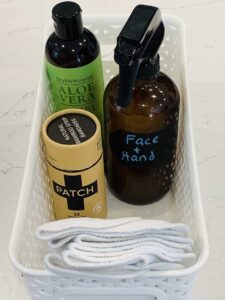
    PATCH Bamboo bandaids— bandaids made from a natural material that are compostable and biodegradable. I love that they have multiple versions based on the type of boo boo you’re dealing with.

    Read More

  • That Mom Life Elderberry Super Syrup Recipe

    Elderberries have many benefits, and this elderberry syrup recipe contains just seven ingredients – several of which support immune health.

    Benefits of Elderberry (Sambucus nigra)

    Elderberries have been known for hundreds of year as a super immune booster; and research shows that not only was Elderberry “shown to be effective in vitro against 10 strains of influenza virus” but it reduced “the duration of flu symptoms to 3-4 days.” Additional research supporting the health benefits of elderberry products can be found here.

    Not only does this syrup contain elderberries, but it also contains five other ingredients that support immune health.

    *Click on each ingredient to purchase if you want to make your own*

    Dried Elderberries: small berries that are packed with immune boosting properties such as antioxidants and vitamins.

    Echinacea: a flowering plant that has been used for centuries to fight illness–research shows it can help increase white blood cells which help the body’s immune system fight infection.

    Cinnamon: a spice that’s been used for thousands of years for medicinal purposes. Cinnamon has high levels of antioxidants and is also an anti-inflammatory.

    Cloves:spice that is high in antioxidants and has been shown to have antiviral and antimicrobial properties.

    Turmeric root: a plant that is related to ginger, that has been used medicainally to treat many conditions, such as breathing issues, rheumatism, pain, and fatigue

    Honey: research indicates that honey can exert several health-beneficial effects including “antioxidant, anti-inflammatory, antibacterial, antidiabetic, respiratory, gastrointestinal, cardiovascular, and nervous system protective effects”

    Elderberry Syrup Recipe

    Dosing: Children age 12 months and up should take 1 teaspoon daily, and 2-3 times per day when showing signs of illness. Adults should take 1 tablespoon daily, and 2-3 times per day when showing signs of illness. Please note: This recipe should not be given to infant under one year of age as it contains honey. You can substitute honey for blackstrap molasses for similar health benefits.

    For additional information about ways to keep your family healthy with more natural remedies please refer to this post

    Make Your Own Elderberry Syrup

    DISCLAIMER: I am not a doctor and this is not medical advice. Before using any medicine, whether traditional or modern, please speak to your healthcare provider to make sure it is right for you. Stay healthy friends!

    You may also enjoy these posts: 

    Read More

  • Back to school: Holistic health for kids

    Keeping kids healthy when they go back to school is a fun parenting challenge. I feel like I always have at least one sick kid between the months of November and April. Fortunately, we are all extremely healthy and our kids have built up some pretty good immune systems (I’d like to partially credit this to allowing them to play in the dirt!), so while they may get sick, their bodies usually fight illness pretty quickly.

    My family takes a pretty well rounded approach to our health which includes trying to eat less processed foods, incorporating whole fruits and veggies into our every day diet, staying active, spending time outdoors in all weather, making sure we have medical doctors that are progressive, and complementing our modern conventional healthcare with more natural alternatives.

    One of my dear friends, Kaitlyn, is a holistic health practitioner and master herbalist who founded her own organic skincare line called Zen Society (which you should check out here!) I’m partnering with her to bring you some simple ways to keep your family healthy for back to school and beyond.

    Kaitlyn Gustafson, Holistic Health Practitioner and Master Herbalist, Founder and Owner of Zen Society an organic skincare line. Follow her on Instagram @kaitlyngus

    Foods to help keep kids healthy

    One of the most important things for staying healthy is a strong immune system and in order to maintain that Kaitlyn recommends, “eating real, fresh, organic foods.” She also would encourage you to give a daily vitamin as kids diets often don’t provide them with the nutrition they need.
    Additionally, she explains that “the foods we eat now are grown in soil that’s so depleted it often doesn’t produce food with the same amount of nutrients as it used to.” So that serving of spinach 50 years ago was WAY more nutrient dense than the spinach you’re eating now (pro tip for those who don’t love green veggies: put some raw spinach into basically any smoothie and you can barely taste it–our go to is almond milk, spinach, banana, frozen strawberry, chia seeds and flax seeds).
    She notes that today’s fruits and vegetables are lacking vitamins A and C, niacin, riboflavin, thiamine, magnesium, iron, zinc and copper so these are key nutrients to make sure you are getting into kids diets every day. She recommends 8-10 servings of fruits and vegetables per day, and while that might seem like a lot, foods like carrots or cucumbers dipped into hummus counts as two servings and you can easily get a few servings in with a fruit and veggie smoothie.
    Kaitlyn says that “there are some specific foods she strives to incorporate into her children’s diet which can help boost immunity.” She notes that it’s important to aim for fruits and vegetables that are high in vitamin C like “berries, broccoli, sweet potatoes and citrus fruits.” She also suggests adding walnuts to smoothies, yogurts and cereals as they are high in omega 3 fatty acids that help fight illness.
    Superfoods should be included into the diet whenever possible. Some of her favorites are:

    • Blackstrap molasses (can be used in baking as a substitute for sugar)
    • Manuka honey (anti-bacterial properties and can even be applied to a cut instead of an antibiotic)
    • Hemp seeds
    • Chia seeds
    • Flaxseed (always use ground flaxseeds as whole seeds will just pass through your system undigested)
    • Leafy greens like spinach, kale, Swiss chard (all good in smoothies)
    • Wild caught salmon
    • Blueberries
    • Broccoli (my kids loves this best when roasted with a little olive oil and garlic!)

    Daily supplements for kids to help boost immunity

    One of the best things you can give your kids is a high quality probiotic (live healthy bacteria that help your digestive system). Gut health is SO important and Kaitlyn says “healthy gut means good immunity!” There are some food options that can provide a healthy dose of probiotics such as kimchi, fermented vegetables, kefir, grass-fed yogurts–she prefers sheep or goats milk yogurt to cow as they are known to cause less inflammation. If these are not things your kids will eat (let’s face it, kids can be pretty particular…) then giving a probiotic supplement is a great strategy. She recommends Mary Ruth’s Plant Based Liquid Probiotic–they also make a spray one that’s easy to spritz into your little one’s mouth.
    Some other daily supplements to include are:

    But….your kid will still get sick

    So yes, all these things are amazing and will absolutely help boost immunity but that doesn’t mean your kid will never get sick. So when they do here are some more natural and eco-friendly products to help support them while they fight off illness.

    Just a  couple reminders as we head into cold and flu season. Fevers are not necessarily bad. Fevers are your body heating up to kill viruses and bacteria that are causing illness. Many times people rush to treat the fever, when in reality you should be treating the symptoms. I do use over the counter fever reducers if I feel like my little one is really suffering from a fever (can’t sleep, is super cranky) but that usually doesn’t happen until closer to a fever or 102-103. Most often, they can take a luke warm bath and that will help drop their temp enough for them to be comfortable (don’t use cold water as that can cause their body to heat itself even more to combat the cold). Also, keep in mind a fever is a temperature over 100.4.
    If I use a fever reducer I always try to use one that is dye free like the Little Remedies Dye Free Fever and Pain Reducer or the Infant or Children’s Motrin Dye Free (Depending on age–Ibuprofen can only be used in infants 6 months and up).
    **PLEASE make sure you speak to your pediatrician prior to giving any medications. They can help you decide the best course of action as well as dosing.

    Read More

  • Cloth diaper basics


    Save up to 10% with GroVia Cloth Diaper Bundles!

    I’ve had a few local mamas express interest in cloth diapering so I wanted to share some basics for anyone who is even curious about trying cloth. It may seem overwhelming, but once you get started it’s really not much different from disposables. There are many reasons why someone might choose cloth–not only are they absolutely adorable, but they are better for the environment and for your wallet.

    Did you know that you will spend approximately $2000 to diaper ONE baby from birth to potty training? I have probably spent about that but am currently diapering my 3rd baby AND will be able to diaper more babies (if I can get hubs to agree to that….). When we are done with diapers forever, I’ll be able to sell them and recoup some of my costs.

    There is some debate on whether or not cloth is a more eco-friendly choice as there are some cloth diapers that do not meet GOTS (Global Organic Textile Standard) or use Oeko-Tex certified cotton (a worldwide certification that tells you textiles are safe from harmful chemicals) cotton. So it’s important to choose a brand that DOES meet these standards. I also always try to support smaller family businesses vs large corporations when possible. With that in mind, I chose to use diapers from a company called GroVia. They have multiple systems that you can use depending on your lifestyle or preference.

    GroVia diaper styles


    Save up to 10% with GroVia Cloth Diaper Bundles!

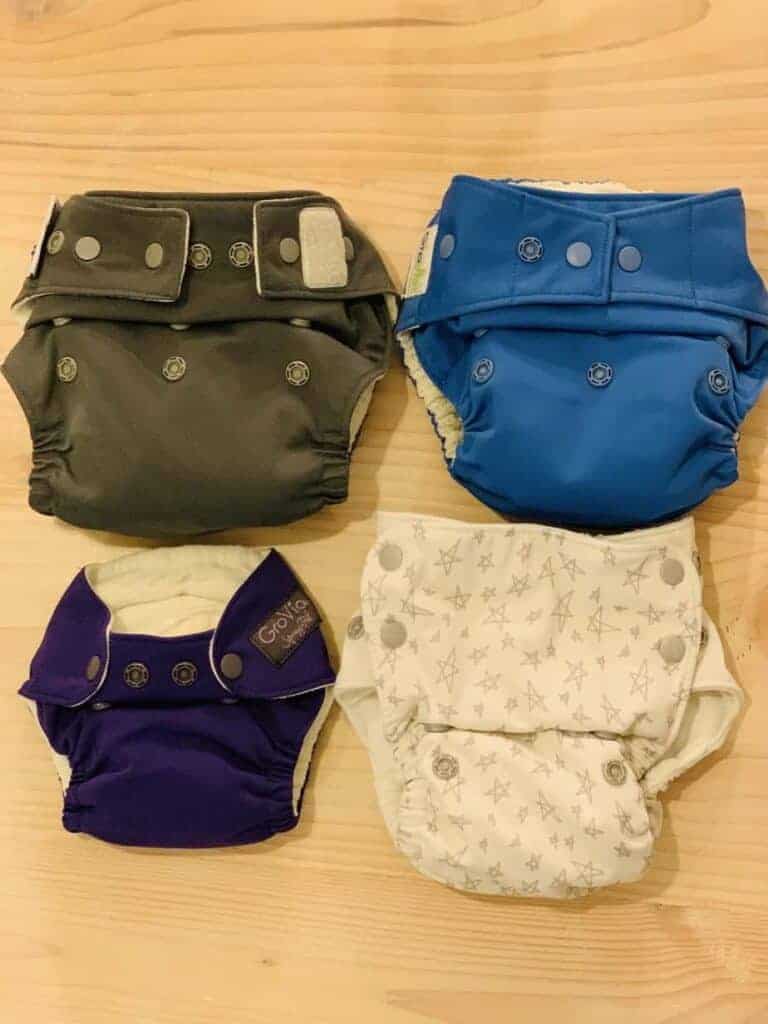
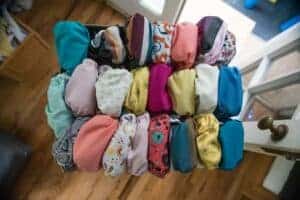
    Top left: O.N.E Diaper–perfect for overnights. SUPER absorbent and stay dry material so baby won’t feel wet. Fits approximately 10-35 lbs. I usually start using these when baby is sleeping longer stretches at night.

    Top right: Hybrid diaper shell and snap in soaker. You can often reuse the shell with a clean insert (as long as it isn’t soiled) so this is a nice option for out and about. There are three types of inserts you can buy–cotton, microfleece “no-prep” and  a disposable insert which is biodegradable (this is what we use when we travel and they are ridiculously absorbent). Fits infant through potty training.

    Bottom left: Newborn all in one–just super soft microfeece that keeps new squish skin dry. I used these from birth to about 2-3 months. They are SO ridiculously soft and easy to use when you’re changing approximately 5000 diapers a day.

    Bottom right: All in one (AIO). This is the most comparable to a disposable in terms of use. Made of organic cotton and super trim but very absorbent.

    Laundry Basics

    This is usually where people freak out. “WHAT DO YOU DO WITH THE POOP!?!” Seriously y’all. You’re going to deal with poop either way–you are a parents and it’s pretty much a right of passage. Hello disposable diaper blowout on your favorite little onesie or potty training kid who  his pants. BY THE WAY. I think I can count on less than one hand the amount of blow outs we have had with cloth–but I remember like one a day when we used disposables for the first three months with our first little one.

    But for real. Poop really isn’t a big deal. Breastfed baby poop is totally water soluble so the whole diaper, poop and all, goes into the diaper pail. Once they start solids we have liners and a sprayer that makes dealing with poop simple.

    Laundry must have check list:

    Once baby starts solids and if things get real you can use a disposable liner to catch the poop. What’s nice about these is that they are biodegradable. You should still shake off as much poop as possible prior to tossing it though (you know you’re supposed to do that with disposables too, right?). These ones don’t absorb any liquid so you can use them all day even if they get peed on…. pretty cool. I’ve had the same roll for four years. You can also invest in a diaper sprayer that easily attaches to the water line on your toilet (my hubs did this in under 15 minutes). You just clip the diaper onto the shield and spray into the toilet then toss the diaper into the diaper hamper.

    Wash routine

    Another reason I LOVE GroVia is because they keep things simple with their wash routine. You don’t have to do all these complicated rinse, wash, soak, wash, strip etc…. That’s totally not necessary to get clean diapers and I think it often makes people shy away from using cloth because they think they are going to have to do this insane wash routine multiple times a week. That just isn’t true. I’ve been washing these diapers for four years using a very simple process.

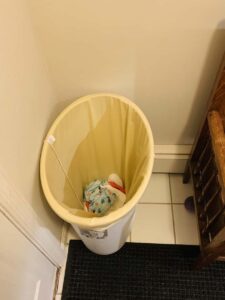
    1. Turn diaper pail inside out into the washing machine
    2. Use half the amount of recommended detergent (Line “2” on the powdered Tide) and do a regular wash cycle.
    3. Follow that with a long wash or heavy duty wash cycle with the full amount of detergent (Line “4” on the powdered Tide).
    4. Throw in the dryer. You can hang dry them to extend their life but not sure who has time for that….

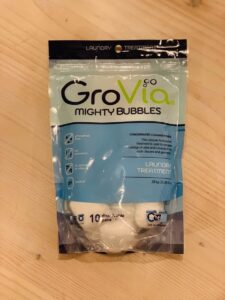
    Wash every 2-3 days, use mighty bubbles every 6-8 weeks or so and that’s it. My diaper look and smell as good as the day I bought them (we are starting to get some wear but that just means they are well loved!!)

    Caring for bums and such

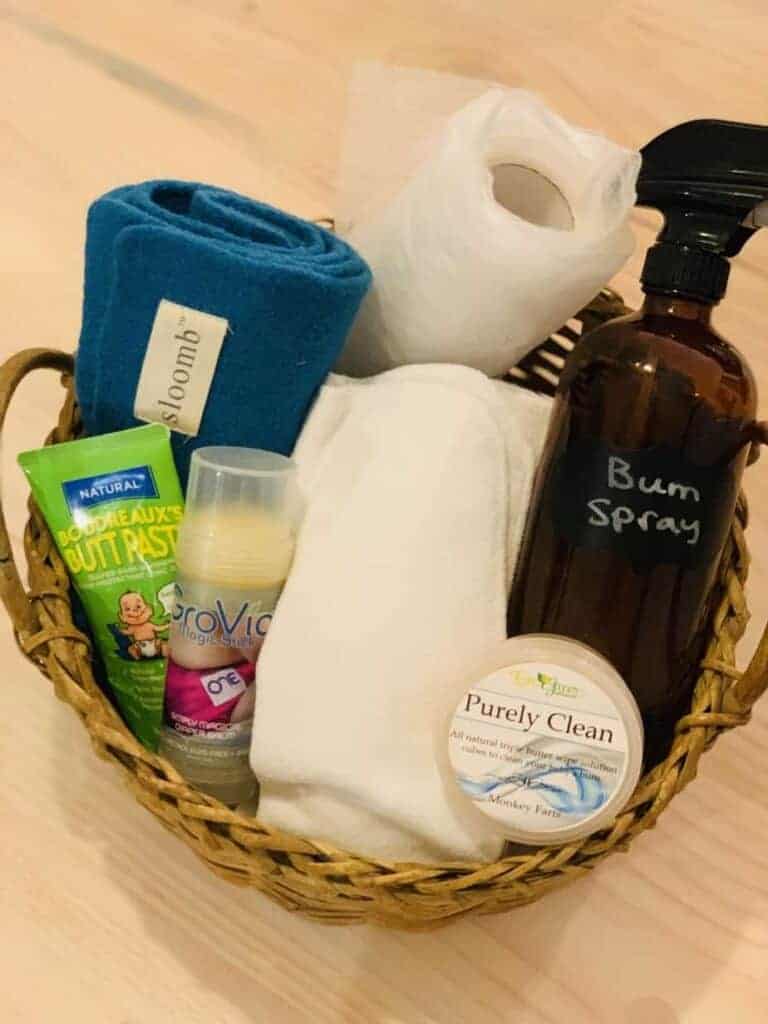
    We use cloth wipes. We use them for EVERYTHING. To clean bums, hands, faces, counters…..the are extremely versatile. GroVia makes a great cloth wipe. I’ve been using the same wipes for 4 years now and they are still in perfect condition.

    We make a very simple cloth wipe spray using these amazing little cubes from one of our other favorite diaper company called Sloomb (they also make all the wool pants my kids wear ). We just boil water, pour hot water into one of these amber spray bottles, throw in a few cubes and that’s it. We just spray out wipes as needed. We also use this spray for wiping dirty hands and faces (it’s all natural ingredients).

    None of my kids have ever gotten a diaper rash and I think that’s partly due to using cloth diapers–they get changed more often and there are no chemicals reacting to their pee and then sitting on their skin. That’s not to say you’ll never get a diaper rash using cloth. You CAN but many times it’s from ammonia build up or using a detergent that your baby is sensitive to. But if you use the mighty bubbles a few times and then switch up your wash routine that usually does the trick. When we do have a little bum redness we use Boudreaux’s Natural Butt Paste in the GREEN tube as it is cloth diaper safe (won’t stain or cause anything to repel). We also use the magic stick by GroVia as an every day balm for the diaper area.

    Get the best in natural baby products at The Natural Baby Company

    Have cloth diaper questions? ASK ME! I’m happy to help. I’ll be posting some video tutorials so let me know if there is something specific you feel you need to visualize!

    #clothy

    Read More

  • Eco- Conscious: Simple ways to be a more environmentally friendly family

    Eco-friendly is a mindset

    Being environmentally friendly isn’t just a thing you do–it’s a mindset. A way of looking at all aspects of your life. But it doesn’t have to be intimidating and overwhelming. There are many ways in which you and your family can be more eco-friendly. You don’t have to do ALL THE THINGS. Doing something (even something small) is always better than doing nothing at all.

    Importance of being eco-friendly

    The most important reason for us as parents to be more conscious of how we live is because we need to keep our planet as beautiful as it is for future generations. It’s about not being selfish and understanding the long term impact of our decisions. That said, there are a few very simple ways we can adjust our lifestyles and habits.

    Respecting nature

    One of the simplest ways we can be more eco-friendly is helping our children develop a love of nature. Spend time outside enjoying the little things–smell flowers, touch rocks, stare at clouds… these are all things kids do anyways–they are programmed to see beauty in nature and it’s part of our job to try to take a step back and allow them to appreciate their surroundings. If kids develop a love of nature, they will instinctually want to make choices that help our planet.

    Here are just a few things you can do with your kids to help them develop better sense of respect for nature.

    • Go for walks and point out interesting finds (flowers, rocks, moss, bugs etc.)
    • Visit your local nature center or farm
    • Head outside in all kinds of weather (there is no such thing as bad weather, only bad clothing choices!)
    • Teach them to clean up after themselves when they are outside (talk to them about what it means to litter)
    • Plant a small garden (bonus: often kids are more willing to try fruits and veggies that have helped plant and grow)

    Ditch plastic as much as possible

    Seriously. STOP BUYING SO MUCH PLASTIC NON-SENSE. Please. Not only is it bad for our environment, it’s bad for your health.
    Single use plastic water bottles, plastic kids plates and cups, plastic snack baggies, plastic wrap to cover left over toddler dinners, plastic toys. Plastic, plastic everywhere.
    There are so many comparable options that can easily eliminate all this plastic we consume.
    Here are a few of my favorite items to swap out.

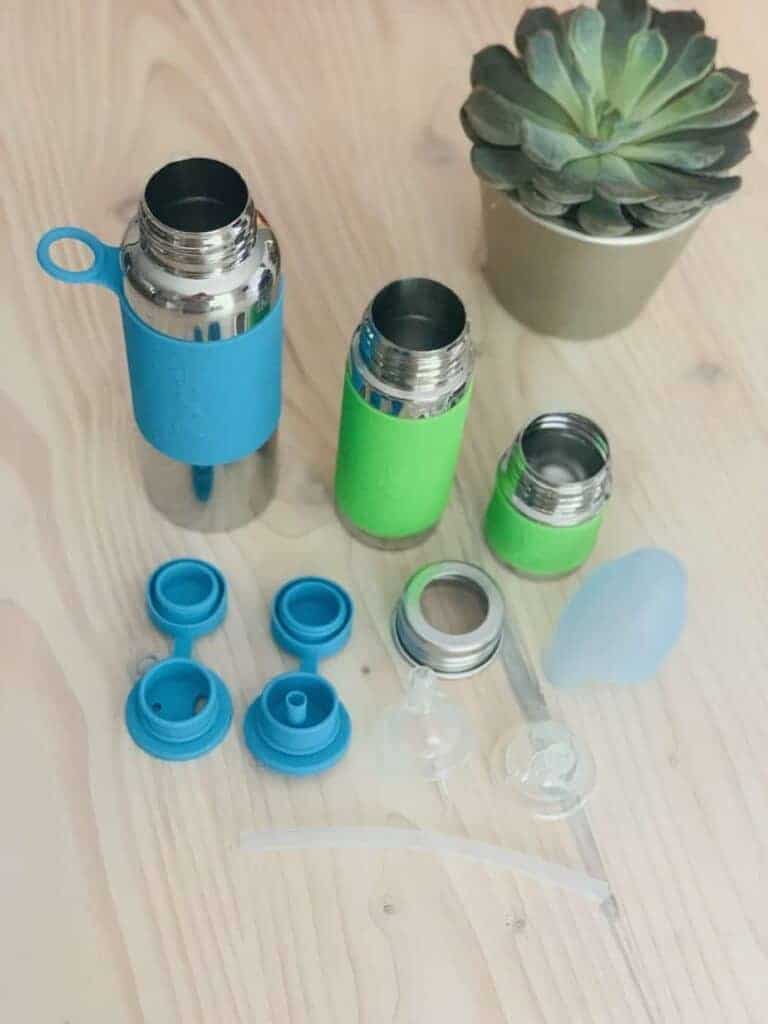
    • Buy everyone stainless steel water bottles. My favorite is the Pura Kiki. It’s more expensive, I know. BUT it’s literally a birth to adult cup. Seriously. Check out my post about it.
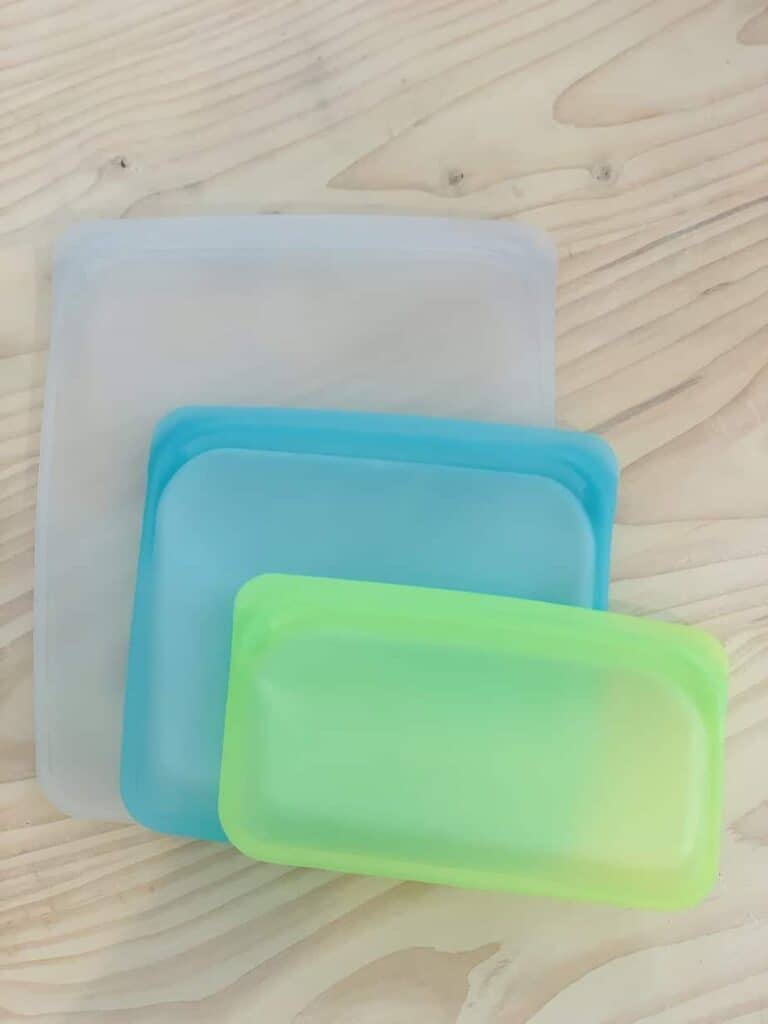
    • Invest in silicone “plastic” bags. Not only are reusable but you can cook food safely in them (hello sous vide!). I got these ones by Stasher. They have multiple sizes–I love the gallon ones for storing half eaten things of bacon. The sandwiches size is perfect for storing cut fruits and veggies (or sandwiches!) and the snack size is great if you like to portion out snacks for your kids.
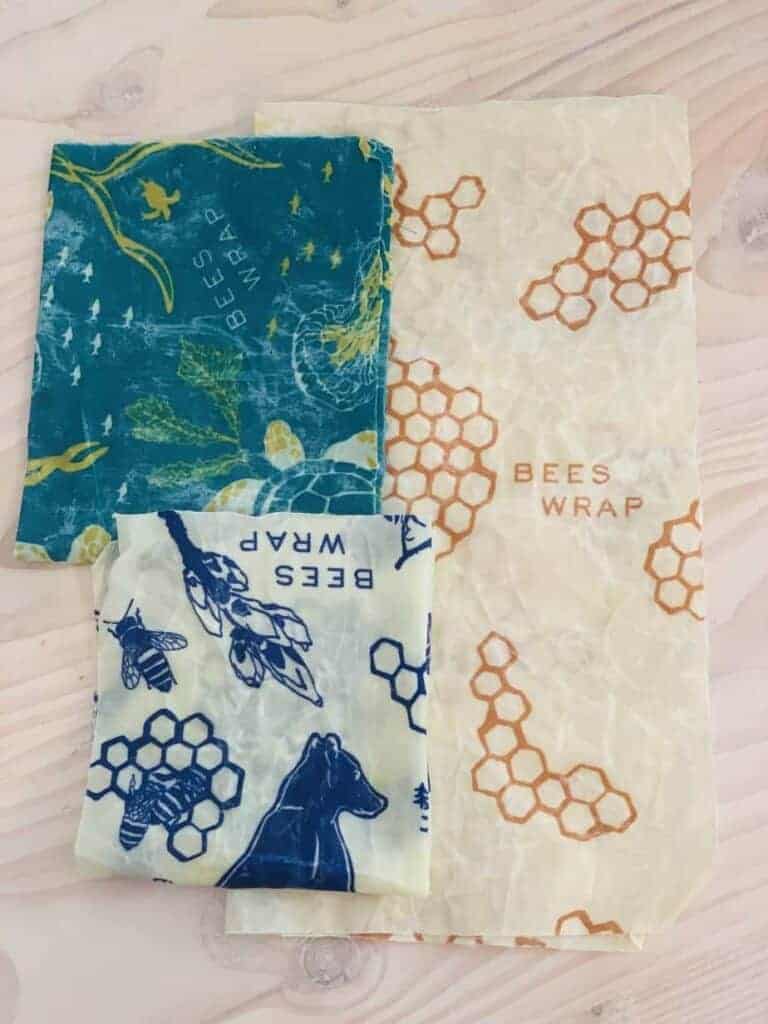
    • Buy some beeswax wrap instead of using plastic wrap or tin foil. I love the smell (smells like honey) and they are easy to take care of–just wash in cold water with a little soap. We have a bunch of different sizes all made by Bee’s Wrap.

    Simple ways to be more green

    Compost!

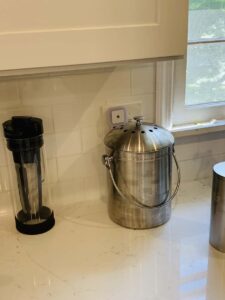
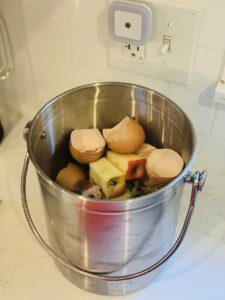
    Seriously, this isn’t as hard as it sounds. Buy a little guy for your kitchen (we have this one) and one for your yard. I like this one for the yard because it has two chambers so you don’t have to wait for it to be done “composting”–you can dump your steady stream of half eaten veggies, eggs shells, apple peels and produce that goes bad because you forgot it was sitting at the back of the fridge into it without worrying. You can read more about composting strategies here but don’t be intimidated. We just throw all our raw stuff (no cooked foods allowed) and some leaves in and turn it every few weeks. Done. Amazing soil to use either for gardening or just to let your kids play in…my kids LOVE dirt.


    RUN to buy this rain water collector.

    No joke. My kids will play with this for hours. Filing up bowls and dumping them into other bowls. Making mud pies. Helping me water the plants. It fills up with one rain. Just FYI it collects the rain from your gutter! I didn’t realize that until it arrived.  Yes, it’s plastic. But it’s recycled plastic–and you are conserving water vs using the hose all day. You can also buy this little stand which makes it easier for the kids to get access to the water.

    Try to use more natural fiber materials like organic cotton, wool and bamboo.

    Or buy from Buy Sell Trade groups on social media. That way you are saving money and also reusing materials.


    Consider cloth diapering!

    I promise it isn’t as hard as people think it is–in fact, it’s pretty much the same as using disposable diapers now that we have more modern cloth diaper options. If you use disposable diapers, use a brand that is eco-friendly like these ones–they are bamboo and biodegradable.

    Use cloth wipes when you are home.

    We use them for cleaning wet bums, wiping dirty hands and faces, wiping counter spills, wiping our kids down when we don’t have time for a bath….the list goes on. This is an EASY way to stop using paper towels and excess baby wipes. We love these cloths wipes by GroVia.

    Watch your toy buying habits

    Consider either not buying so many toys (research has actually shown that too many toys inhibits children’s creativity and  hinders focused play) or if you feel compelled to buy, try to look for toys made from sustainable materials or buy from companies that value sustainability in their production of products.
    One of my favorite places to buy toys is The Natural Baby Company.  The company is owned by a mama who does an amazing job of finding and bringing high quality and eco-friendly products to her customers.

    Make your own cleaning supplies

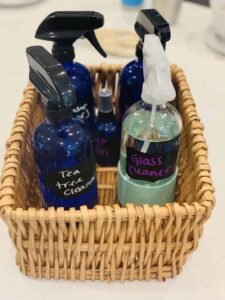
    There are many simple ways to make cleaning supplies. Not only is it better for the environment because you’re not going through so many plastic bottles, it’s also better for your health to use less toxic cleaning ingredients, and it’s cheaper in the long run. We bought a bunch of these glass bottles with chalk labels and we make an all purpose cleaner, a glass cleaner, a tea tree oil cleaner, and we also make “bum spray” which we use to clean wet bums and dirty kids. All the cleaning recipes I use are going to be posted here.

    Read More